


Your Leading Electrophoresis Extruded Aluminum Profiles Manufacturer & Supplier
Electrophoresis, also called electrocoating, e-coating, electrophoretic coating, and cataphoretic painting etc. It is the process after anodizing.
Better corrosion and wear resistance
Strong film hardness and impact resistance
High film adhesion, not easy to fall off aging
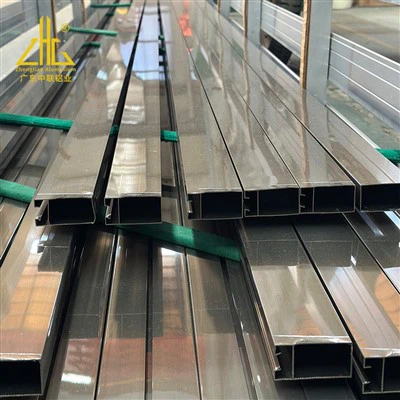
Rich surface color, beautiful with mirror-like luster effect




Product Categories
Latest Products
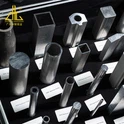
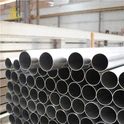
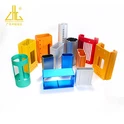

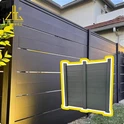
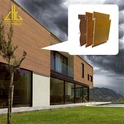
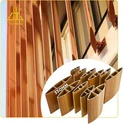
Electrophoresis Aluminum Profiles
Electrophoresis is the process of migration of charged molecules through solutions in an applied electric field.
Electrophoresis
The Processing Of Aluminum Profile Electrophoresis
Electrophoresis of aluminum profiles refers to the process of forming a dense resin film on the surface of the extruded aluminum alloy after it is placed in the electrophoresis tank through direct current. The bath solution consists of acrylic resin, co-solvent, and pure water.
The process of aluminum profile electrophoresis includes four chemical reaction processes: electrophoresis, electrolysis, electrodeposition, and electroosmosis. The characteristics of aluminum profiles after electrophoretic painting are acid and alkali resistance, anti-pollution, delayed aluminum profile aging, durability, bright luster, not easy to fade.
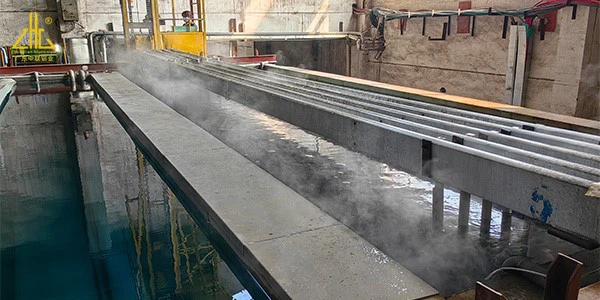
Electrophoresis
The Method Of Aluminum Profile Electrophoresis
The method includes the following steps: removing grease from the surface of the aluminum product; Pre-degreasing; Degreasing; Rinse with water; The aluminum products were electrophoretically treated in the solution tank under the following conditions: temperature range 25°C ~ 28°C, solid content range 15% ~ 17%, pH value 6.0 ~ 6.3, voltage range 90V ~ 180V; Rinse with water at room temperature; Dry; Finishing; And packaging.
The electrophoretic coating has a high and low potential, uniform thickness, can fully cover dead corners, strong adhesion, is not easy to peel off, excellent corrosion resistance is smooth and is more environmentally friendly.
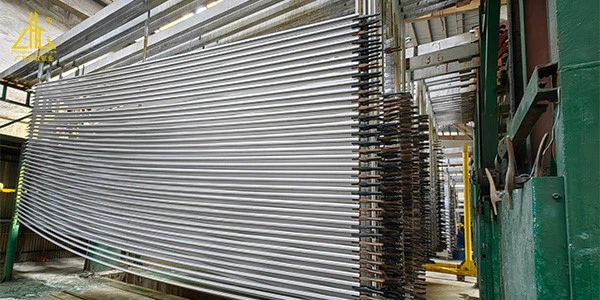
Electrophoresis
Eelectrophoresis Aluminum & Anodized Aluminum
Compared with anodized aluminum profiles, electrophoretic aluminum profiles have better properties. The aluminum profiles are protected by two layers of electrophoresis, with higher corrosion and wear resistance.It has strong film hardness and strong impact resistance. The paint has high adhesion and is not easy to flake. Electrophoretically painted aluminum profiles have a full luster and more luster. Electrophoresis coating aluminum profile has better quality than anodized aluminum profile.
The cost of electrophoresis technology equipment is lower, and the maintenance and operation are relatively simple and economical than anodized.

Electrophoresis
ZHONGLIAN Eelectrophoresis Aluminum Profile
Zhonglian is a professional manufacturer and supplier of electrophoretic or electronic-coated extruded aluminum profiles. Customer satisfaction is our ultimate goal, and common development with customers is our persistent pursuit.
We have two advanced electrophoretic production lines with over 30 years of experience in producing and supplying electrophoretic aluminum profiles, export to more than 70 countries, and have earned recognition from our customers.
Zhonglian electrophoresis profiles are widely used in the construction field, such as aluminum doors and windows, aluminum curtain walls, home decoration, etc., as well as electronic, mechanical, and automotive structural parts.

Advantages of Electrophoresis Aluminum Profiles
1
2
3
1
2
3
Electrophoretic Aluminum profile product properties
(1) Good impact resistance and resistance to artificial sweat.
(2) Good fluidity, solid paint film, and smooth film.
(3) High hardness. The hardness can reach 4 to 5 hours when baked at 180 ° C for 30 minutes.
(4) Good performance at 180 ° C. At the baking temperature of 200℃, the workpiece does not change color, is resistant to discoloration and corrosion, and the products' color is durable and bright, and the corrosion effect is ideal.
(5) High transparency and full size, the color of the substrate is obvious with special gloss and transparency, and the coating has a high three-dimensional effect.
(6) The average electrophoretic effect is good, the paint film is uniform and flat, and it can reach 10-16 um at 90-200v, with high efficiency and low power consumption.
(7) Strong binding force and permeability, coating everywhere, wet film and dry film have a strong binding force.
(8) Used for surface protection of aluminum, metal plating, precious metal accessories, lamps, and high-end furniture.
(9) It can be electrophoretic into different colors of slurry: titanium, ordinary gray, pure black, and other colors.
Our Electrophoretic aluminum profiles


certification
Official certification, professional after sales service.

CE

sGS

ISO 14001

iSO 9001

TUV
do you have any question on electrophoretic aluminum profile?
The anodized aluminum profile is put into the electrophoretic tank, and the acrylic resin is attached to the surface of the aluminum profile. Aluminum profiles are placed at 180+20 ° C for 30 minutes to dry.

What materials are used in electrophoretic coating?
Electrophoretic coating uses a mixture of chemicals and materials, including water, paint resins, solvents, conductive polymers, and pigments. Metal salts, such as zinc or iron, are also used to create rust inhibitors in the coating. Some coatings may also contain epoxy, acrylic, or polyurethane resins for added durability and protection.
What is the difference between electroplating and electrophoresis?
Electroplating involves coating an object with a thin layer of metal by passing an electric current through a solution containing metal ions. It is used for decorative or protective purposes. Conversely, electrophoresis is a technique used in biology and biochemistry to separate molecules, typically proteins or nucleic acids, based on their charge and size. It involves applying an electric field to a solution containing the molecules of interest, causing them to migrate towards the oppositely charged electrode.
What is the difference between electrophoresis coating and anodizing?
Electrophoresis coating involves using an electric field to attract charged particles suspended in a liquid to a metal surface. The charged particles adhere to the surface, creating a durable and uniform coating. On the other hand, anodizing involves creating an oxide layer on the surface of a metal by immersing it in an electrolyte solution and applying a current. This process creates a porous surface layer that can be further colored, sealed, or enhanced to improve corrosion resistance and durability. The main difference between the two processes is the type of coating they produce and their application processes.
What are the three types of electrophoresis?
The three types of electrophoresis are agarose gel electrophoresis, polyacrylamide gel electrophoresis (PAGE), and capillary electrophoresis. Agarose gel electrophoresis is commonly used for separating DNA fragments, while PAGE is used for separating proteins. Capillary electrophoresis is a high-resolution technique used for separating small molecules and proteins.
Foshan Pailian Aluminium Ltd is one of the most professional electrophoresis aluminum profile manufacturers and suppliers in China. With the aid of experienced staff and advanced equipment, we can assure you the high quality, high precision and excellent design of our products. Come and wholesale the cheap electrophoresis aluminum profile made in China here from our factory. Customized orders are welcome.
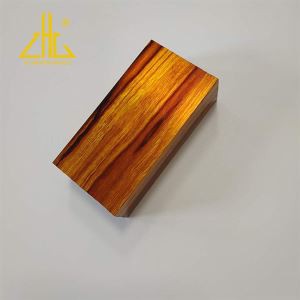
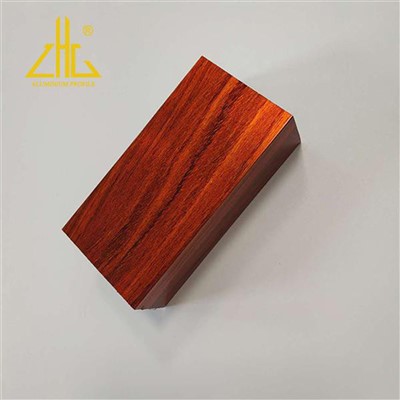
Electrophoresis Aluminum Profile Wood Grain, Aluminum Profile With PVDF Coating, Electrophoresis Aluminum Profile