Hey there! I'm a supplier of exterior façade shading aluminum louvers, and I often get asked if these can be used in historical buildings. It's a great question, and one that I think deserves a detailed exploration. So, let's dive right in!
The Charm of Historical Buildings
Historical buildings are like time capsules. They carry the stories of the past, with their unique architectural styles, materials, and cultural significance. Preserving their original charm is crucial, not just for the aesthetic value but also for the historical and cultural heritage they represent. But as times change, we also need to consider modern needs, like energy efficiency and sun protection. That's where exterior façade shading aluminum louvers come in.
Can Aluminum Louvers Fit in Historical Buildings?
The short answer is yes, but it's not as simple as just slapping them on. First off, we need to understand the historical context of the building. Each historical building has its own set of design elements, and we need to make sure that the aluminum louvers complement rather than clash with them.
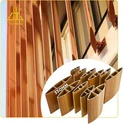
One of the key advantages of aluminum louvers is their versatility. They come in various shapes, sizes, and colors. For instance, we have the Anodized Powder Coated Aluminum Extrusion Profile For Outdoor Louver/Shutter. This profile can be customized to match the color scheme of the historical building. Whether it's a classic white to blend in with a colonial-style building or a more rustic bronze for a Victorian-era structure, we can make it work.
In terms of design, we can create louvers that mimic the traditional architectural details of the building. For example, if the building has intricate woodwork or wrought - iron elements, we can design the louvers with similar patterns or curves. Our Shutter Aluminum Profile For Window Louver Frame can be adjusted to fit the specific dimensions and style of the windows in historical buildings.
Benefits of Using Aluminum Louvers in Historical Buildings
Energy Efficiency
Historical buildings often have poor insulation, which can lead to high energy costs. Aluminum louvers can help in reducing solar heat gain. By blocking the sun's rays during the hot summer months, they keep the interior cooler, reducing the need for air - conditioning. This not only saves energy but also helps in preserving the building's interior, as excessive heat can damage delicate materials like wood and paintings.
Sun Protection
The sun's UV rays can fade and damage the interior finishes of historical buildings. Aluminum louvers act as a shield, protecting the walls, floors, and artworks from the harmful effects of the sun. They can be adjusted to control the amount of sunlight entering the building, allowing for a more comfortable and protected environment.
Durability
Historical buildings require long - lasting solutions. Aluminum is a highly durable material. It is resistant to corrosion, rust, and weathering. Our Aluminum Louver Profile Extrusion Factory produces high - quality aluminum louvers that can withstand the test of time. This means that once installed, the louvers will continue to perform well for many years, with minimal maintenance.


Challenges and Considerations
While there are many benefits, there are also some challenges when using aluminum louvers in historical buildings. One of the main concerns is getting approval from historical preservation boards. These boards are responsible for protecting the historical integrity of the buildings, and they may be hesitant to allow the installation of modern elements like aluminum louvers.
To overcome this, it's important to work closely with the preservation boards. We need to provide detailed plans and specifications, showing how the louvers will enhance the building without compromising its historical value. We can also provide case studies of similar installations in other historical buildings to demonstrate the positive impact of aluminum louvers.
Another consideration is the installation process. Historical buildings are often delicate, and any installation work needs to be done with great care. We need to ensure that the installation does not cause any damage to the existing structure. Our team of experienced installers is trained to work in historical settings, using techniques that minimize disruption and damage.
Real - World Examples
There are many examples of historical buildings where aluminum louvers have been successfully installed. For instance, in some European cities, old townhouses have been fitted with aluminum louvers that blend seamlessly with the traditional architecture. These louvers not only add a modern touch but also improve the energy efficiency and sun protection of the buildings.
In the United States, some historical schools and public buildings have also adopted aluminum louvers. The louvers have been designed to match the original architectural styles, and they have received positive feedback from both the preservation boards and the building owners.
Conclusion
In conclusion, exterior façade shading aluminum louvers can definitely be used in historical buildings. They offer a range of benefits, from energy efficiency to sun protection, while also being able to blend in with the historical architecture. However, it's important to approach the installation with caution, working closely with preservation boards and ensuring that the installation is done correctly.
If you're interested in using our exterior façade shading aluminum louvers for your historical building project, we'd love to hear from you. We can provide you with more information, samples, and a customized solution that meets your specific needs. Let's work together to preserve the past while embracing the future!
References
- Architectural History Journals
- Case studies of historical building renovations
- Industry reports on energy - efficient building solutions