What is the wind resistance of aluminum cladding alloy wall profile strip?
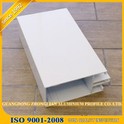
As a supplier of aluminum cladding alloy wall profile strips, I often get asked about the wind resistance of our products. Wind resistance is a crucial factor, especially in areas prone to high - speed winds, storms, or hurricanes. In this blog, I'll delve into the wind - resistance characteristics of our aluminum cladding alloy wall profile strips, exploring the science behind it and how it benefits various construction projects.
Understanding Wind Resistance
Wind resistance refers to the ability of a material or structure to withstand the forces exerted by wind. When wind blows against a building, it creates pressure differentials. Positive pressure is exerted on the windward side, while negative pressure (suction) occurs on the leeward side. These forces can cause structural damage if the building materials are not adequately designed to resist them.
For aluminum cladding alloy wall profile strips, wind resistance is determined by several factors, including the alloy composition, the profile design, and the installation method.
Alloy Composition
Our aluminum cladding alloy wall profile strips are made from high - quality alloys. Aluminum alloys are known for their excellent strength - to - weight ratio. The specific alloy used in our products is carefully selected to provide optimal performance. For example, some alloys contain elements like magnesium and silicon, which enhance the strength and corrosion resistance of the aluminum.
The strength of the alloy directly affects its ability to withstand wind forces. A stronger alloy can better resist bending and deformation under high - wind conditions. Our alloys are engineered to meet or exceed industry standards for wind resistance, ensuring that our wall profile strips can endure harsh weather conditions.
Profile Design
The design of the wall profile strip also plays a significant role in wind resistance. Our profile strips are designed with aerodynamics in mind. The shape of the profile can influence how wind flows around it. A well - designed profile can reduce the drag force exerted by the wind, minimizing the stress on the strip and the building structure.
For instance, some of our profile strips have a streamlined shape that allows wind to pass over them smoothly. This reduces the pressure differential between the windward and leeward sides, decreasing the risk of damage. Additionally, the interlocking design of our profile strips provides added stability. When the strips are installed, they fit together tightly, creating a continuous barrier that can better resist wind forces.
Installation Method
Proper installation is essential for ensuring the wind resistance of our aluminum cladding alloy wall profile strips. Our installation guidelines are based on industry best practices and are designed to maximize the performance of the strips.
During installation, the strips are securely fastened to the building structure using appropriate fasteners. The fasteners must be able to withstand the forces exerted by the wind. In addition, the installation process includes proper sealing to prevent wind and water infiltration. A well - sealed installation not only enhances wind resistance but also improves the energy efficiency of the building.
Applications and Benefits
The wind - resistant properties of our aluminum cladding alloy wall profile strips make them suitable for a wide range of applications. They are commonly used in commercial buildings, such as offices, shopping malls, and hotels, as well as in residential buildings.
In coastal areas, where high - speed winds and storms are common, our profile strips provide reliable protection. They can help prevent damage to the building's exterior, reducing repair costs and ensuring the safety of the occupants. In high - rise buildings, the wind resistance of the wall profile strips is crucial for maintaining the structural integrity of the building.
Moreover, our aluminum cladding alloy wall profile strips offer other benefits. They are lightweight, which makes them easy to handle and install. They are also corrosion - resistant, which means they can maintain their appearance and performance over time.
Related Products
If you're interested in other aluminum products, we also offer Factory Wholesale Frameless Structural Glass Railing Aluminum Profiles. These profiles are designed for modern and stylish glass railings, providing both safety and aesthetic appeal.
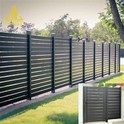
Our Aluminum Privacy Panel Fencing Supply is another great option. It offers privacy and security for your property while adding a touch of elegance.
For those in the medical industry, we have Medical Instrument Aluminum Profile. These profiles are designed to meet the strict requirements of medical equipment manufacturing.
Conclusion
The wind resistance of our aluminum cladding alloy wall profile strips is a result of careful engineering and design. Our products are made from high - quality alloys, have a well - thought - out profile design, and are installed following strict guidelines. This combination ensures that our wall profile strips can withstand the forces of nature, providing long - lasting protection for your building.
If you're in the market for aluminum cladding alloy wall profile strips or any of our other products, we encourage you to contact us for a detailed discussion. We're here to help you select the right products for your project and provide you with the best possible service. Whether you're a contractor, architect, or building owner, we can offer you solutions that meet your needs and exceed your expectations.


References
- "Aluminum Alloys: Properties and Applications" - A comprehensive guide on aluminum alloys and their uses in construction.
- "Wind Load Design for Buildings" - A technical reference on calculating and designing for wind loads in building structures.
- Industry standards and codes related to wind resistance in building materials.