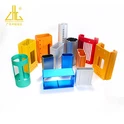
Anodizing is a process in which a metal surface is coated by creating an oxide layer through the application of an electric current. This process is used widely in the industrial sector, particularly in the aerospace, automotive, and electronics sectors. Aluminium is a commonly anodized metal, and the process is used to improve the metal's resistance to corrosion and wear, increase its surface hardness, and improve its appearance. One commonly used technique is aluminum anodizing followed by coloring, which is used to produce decorative finishes in a range of colors.
There are several techniques for anodizing aluminum, and each offers different advantages and disadvantages. One of the most commonly used techniques is sulfuric acid anodizing, in which sulfuric acid is used as the electrolyte. The aluminum is immersed in the acid, and an electric current is passed through the electrolyte to create the oxide layer. The thickness of the oxide layer depends on the strength of the electric current, with higher current strengths resulting in thicker oxide layers.
Unlike other surface treatments, anodizing does not involve the application of a coating to the metal surface. Instead, the oxide layer is created on the surface of the metal, which means that the metal's properties are not affected. The oxide layer is porous, which means that it can be dyed to produce a range of colors using various pigments or dyes. To enhance the durability of the coloring process, the anodized layer is often sealed.
The sealing process used depends on the specific application of the anodized aluminum. In some cases, sealing is not necessary and the oxide layer is left exposed. However, when used in applications where the aluminum will be exposed to weather or other corrosive elements, a process called impregnation can be used to seal the pores in the oxide layer. This process involves immersing the anodized aluminum in a solution that reacts with the oxide layer to create a protective layer on the metal surface.
When aluminum is anodized and then dyed with a pigment or dye, the coloring process takes place in a controlled environment to achieve uniform results. The anodized aluminum is suspended in a solution containing the dye or pigment and an electric current is passed through the solution to cause the dye or pigment to bond to the oxide layer. The intensity of the current and the time the aluminum is immersed in the dye or pigment solution determines the intensity of the color and the overall coloration.
In addition to producing a range of colors, aluminum anodizing followed by coloring also results in a durable finish that is resistant to fading, corrosion, and wear. This makes the process ideal for use in a variety of applications, including architectural design, consumer electronics, automotive components, and more.
Guangdong Zhonglian aluminum profile Co., Ltd. is a manufacturer of aluminium profile with well-equipped testing facilities and strong technical force. With a wide range, good quality, reasonable prices and stylish designs, our products are extensively used in construction industry and other industries. Our products are widely recognized and trusted by users and can meet continuously changing economic and social needs. We welcome new and old customers from all walks of life to contact us for future business relationships and mutual success!