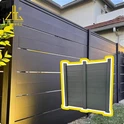
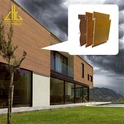
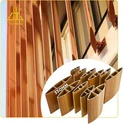
Aluminum wood grain patterns are widely used in furniture, flooring, and decorative materials. The traditional way of achieving a wood grain effect is through stain or paint. However, a more modern and efficient approach is through wood grain transfer printing and wood grain lamination. While these two methods might seem similar, they have distinct differences that are worth exploring.
Firstly, wood grain transfer printing involves transferring ink from a printed film onto a surface using heat and pressure. The printed film has the wood grain pattern and color that is desired for the final product. This method is commonly used in smaller items that require intricate detailing such as home appliances, guitar bodies, or small furniture items. The benefits of wood grain transfer printing are that it is a relatively cheap process that doesn't require much space or equipment. However, the durability of the finish and color retention are not as good as other methods.

On the other hand, wood grain lamination uses a film that is laminated onto a surface with adhesive. The film has a wood grain pattern printed onto it, and once it is pressed onto the chosen object, it bonds permanently. This method is used for larger surfaces such as flooring, doors, and table tops. The benefits of wood grain lamination are that it provides a durable and long-lasting finish that is resistant to wear and tear, moisture, and heat. However, this method can be more expensive compared to wood grain transfer printing and requires specialized equipment and a larger workspace.
Another key difference between these two methods is their application process. While wood grain transfer printing is a relatively simple process that can be done with a heat press or transfer machine, wood grain lamination requires more specialized handling. As the laminating film is applied with heat, pressure, and specialized adhesive, it requires professional installation and detailed preparation of the surface.
In conclusion, wood grain transfer printing and wood grain lamination are two methods that achieve a similar visual effect but have differences in the overall result, durability, and application process. When selecting a wood grain application method, the choice depends on specific project requirements and budget constraints. Wood grain transfer printing is a cost-effective option for smaller items, while wood grain lamination provides a durable, longer-lasting finish for larger areas.

Guangdong Zhonglian Aluminium Profiles Co., Ltd. is a large-scale comprehensive aluminum profile factory specializing in developing, designing and manufacturing aluminum extrusions. With 30 years of experience, the coating on the decorative surface is smooth, uniform, and tidy, and no wrinkles, cracks, bubbles, flow marks, inclusions, or stickiness. Some other factories may not control the surface quality so well.