Introduction
In the USA, the comparison between aluminum vs steel in automotive manufacturing is becoming increasingly important as automakers seek lightweight, fuel-efficient, and high-performance materials. With the rapid growth of electric vehicles (EVs) and sustainability requirements, aluminum is gaining popularity as an alternative to traditional steel.
For manufacturers and buyers looking for the best material solution, understanding the differences between aluminum and steel is essential for optimizing cost, performance, and durability.

Key Differences Between Aluminum and Steel
1. Weight
Aluminum → Much lighter (about 30–40% lighter than steel)
Steel → Heavier but traditionally used
👉 Lightweight materials help improve fuel efficiency and EV performance.
2. Strength and Durability
Steel → Higher absolute strength
Aluminum → High strength-to-weight ratio
👉 Aluminum provides sufficient strength while reducing overall vehicle weight.

3. Corrosion Resistance
Aluminum → Excellent corrosion resistance
Steel → Requires coating or treatment
👉 Aluminum is more suitable for harsh environments.
4. Cost Consideration
Steel → Lower initial material cost
Aluminum → Higher cost but better long-term value
👉 Aluminum reduces fuel consumption and maintenance costs over time.
Which Material is Better for Automotive Manufacturing?
The answer depends on application:
- Heavy-duty structures → Steel
- Lightweight vehicles / EVs → Aluminum
- High efficiency & sustainability → Aluminum
- Low-cost mass production → Steel
Today, many manufacturers use a hybrid approach, combining aluminum and steel to optimize performance and cost.

Our Aluminum Solutions for Automotive Industry
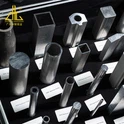
At Guangdong Zhonglian Aluminum, we provide advanced aluminum extrusion solutions for automotive applications:
- Lightweight structural profiles
- EV battery housing systems
- High-strength aluminum components
- Custom extrusion and CNC machining
We help manufacturers transition from steel to aluminum with optimized solutions.
Why Choose Aluminum Over Steel
- Reduce vehicle weight and improve fuel efficiency
- Better corrosion resistance
- Suitable for EV and modern automotive design
- Long-term cost efficiency
Aluminum is becoming the future of automotive manufacturing.
FAQ
Q1: Is aluminum stronger than steel?
A: Steel is stronger in absolute terms, but aluminum has a better strength-to-weight ratio.
Q2: Why are EV manufacturers using aluminum?
A: Aluminum reduces weight and improves battery efficiency.
Q3: Can aluminum replace steel completely?
A: Not entirely; most manufacturers use a combination of both materials.
Conclusion
For manufacturers in the USA, choosing between aluminum vs steel in automotive manufacturing depends on project requirements.
However, aluminum is increasingly becoming the preferred material for lightweight, high-performance, and sustainable vehicle production.
CTA
👉 Contact us today to explore customized aluminum solutions for your automotive projects.