Aluminum is a versatile and popular metal in aerospace, automotive, and construction industries due to its lightweight, strength, and corrosion resistance. Two common methods used to shape aluminum parts are extrusion and casting. Although both methods involve shaping aluminum into specific shapes and sizes, there are some notable differences between the two. This article will highlight the differences between extruding and casting aluminum.
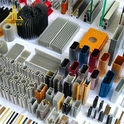
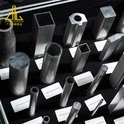
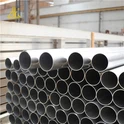
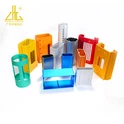
Extrusion is a metalworking process that involves forcing a material, typically aluminum, through a die to create a particular shape. The die determines the cross-sectional shape of the extruded part. Extrusion can achieve various shapes, such as tubes, rods, angles, and channels, with high tolerances and consistent quality. The process is highly efficient and cost-effective for producing parts with a uniform cross-section and a continuous length. Extrusion is a suitable method for producing long, straight, and hollow components, such as window frames, door frames, and heat sinks.
On the other hand, casting is a manufacturing process that involves pouring molten metal, such as aluminum, into a mold to create a specific shape. The mold can be made of different materials, such as sand, graphite, or metal, depending on the part's complexity and desired surface finish. The molten metal solidifies in the mold and creates the part's geometry. Casting can produce complex shapes with intricate details that are difficult or impossible to extrude. The process is suitable for one-off or low-volume production and can be used for various applications, such as engine blocks, pump housings, and decorative objects.

One of the main differences between extrusion and casting is the process's flexibility and scope. Extrusion is a continuous process that produces a wide range of sizes and shapes. The extruded aluminum can be cut to any length desired, making it versatile for fabricators and manufacturers. Extrusion is highly efficient and can process long sections of aluminum quickly and with minimal waste. In contrast, casting is a batch process that needs to be set up for each production run. The mold needs to be created for each shape, and the process takes time to prepare the molds and melt the metal. The casting process can be limited in size and shape, depending on the type of mold material used.
Another difference between extruding and casting aluminum is the material properties and strength. Extruded aluminum is typically stronger than cast aluminum due to the work-hardening during the extrusion process. Extrusion can align the aluminum grains to follow the shape's contours, creating a more robust and durable part. Extruded aluminum also has a more uniform grain structure, which makes it less prone to cracking and more resistant to corrosion. Cast aluminum, on the other hand, has a random grain structure that can lead to weaker spots in the material. However, casting can produce parts with better surface finishes and details that are not achievable by extrusion.
The cost is also a significant difference between the extrusion and casting of aluminum. Extrusion is generally a more cost-effective method for producing aluminum parts in high volume. The process is highly automated and requires less manual labor, which reduces the cost per part. Extrusion can also use recycled aluminum, which reduces the raw material cost and the environmental impact. Casting, on the other hand, can be more expensive for producing small or complex shapes due to the mold's cost and the labor involved in setting up the process. However, casting can be an advantageous option for producing unique or one-off parts that cannot be made by extrusion.
In conclusion, the extrusion and casting of aluminum are two distinct processes that offer different advantages and limitations. Extrusion is a highly efficient and cost-effective method for producing parts with a continuous cross-section and length. Extruded aluminum is stronger, more uniform, and resistant to corrosion. Casting, on the other hand, can produce complex and intricate shapes with better surface finishes. It is suitable for low-volume, unique, or one-off production runs. The process is flexible in size and shape. Overall, the choice between extruding and casting aluminum depends on the specific requirements of the part and the production needs of the manufacturer. Both processes have their strengths and limitations and can be used interchangeably in different applications.
Guangdong Zhonglian Aluminium Profiles Co., Ltd. is a large-scale comprehensive aluminum profile factory specializing in developing, designing and manufacturing aluminum extrusions. Occupying an area of 100 thousand square meters, we own 25 extrusion lines and a passionate 50 person team professional at foreign trade marketing. We welcome new and old customers from all walks of life to contact us for future business relationships and mutual success!