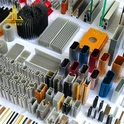
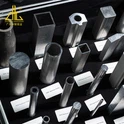
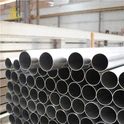
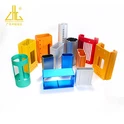
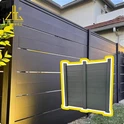
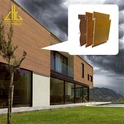
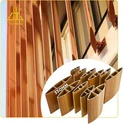
Hard anodized aluminum profile, also known as hard coat aluminum, is a type of aluminum material that has undergone an electrochemical process where the surface of the material is transformed into a hard, corrosion-resistant layer of aluminum oxide. This process is also known as hard anodizing, and it involves immersing the aluminum material in an electrolytic bath, where it is rapidly oxidized. The result is a durable, long-lasting material that is ideal for use in a variety of industries.
Anodized aluminum refers to a process of creating an oxide layer on the surface of the aluminum. The aluminum part is first cleaned and then placed in an electrolyte solution, where a direct current is passed through it. This causes oxygen ions to combine with the aluminum to form a thin, porous oxide layer that protects the surface from further oxidation and corrosion.

The thickness of the anodic oxide layer formed during hard anodizing can range from 25 to 150 microns, compared to 5 to 25 microns for regular anodizing.
While both anodized aluminum and hard anodized aluminum offer benefits in terms of protecting the surface from corrosion, hard anodized aluminum provides much greater protection and durability. This makes it ideal for use in highly demanding and harsh environments such as aerospace, military, and automotive applications where strength and resistance to abrasions and wear are crucial. Additionally, hard anodizing can also be used for decorative purposes, as it can create a range of colors and finishes depending on the alloy and the electrochemical process used.
In conclusion, anodized aluminum and hard anodized aluminum are both useful surface treatments that offer protection against corrosion and wear. However, hard anodizing provides a much thicker and more robust oxide layer that provides greater protection and durability. While it is more expensive, hard anodizing is essential for applications that require resistance to harsh conditions, making it a popular choice across a range of industries.