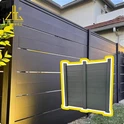
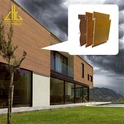
Wooden grained transfer process for door and window profiles
Wooden grained transfer profile refers to the rapid transfer and penetration of the wooden grained pattern on the transfer paper. Film based on the principle of high temperature sublimation and thermal penetration based on powder spraying or electrophoretic coating. Based on the principle of high temperature sublimation and thermal penetration. Apply to profiles that have been sprayed or electrophoresed. The wooden grained profile produced has a clear texture and strong three-dimensional sense, which can better reflect the natural feeling of wood. It is an ideal energy-saving and environmentally-friendly material to replace traditional wood.
Alder wooden grained has strong adhesion to aluminum, non-toxic, odorless, and easy to clean. The product texture is clear and realistic, strong three-dimensional sense, good appearance decoration effect. There is a visual effect of returning to nature and returning to nature. The coating film on the surface of the sprayed aluminum profile is non-volatile in the air, does not oxidize, and has no pollution to the environment. The dirt deposited on the sprayed surface can be restored to its original gloss and appearance once it is cleaned.
The process of wooden grainden transfer is described in detail below
Step 1: Select the substrate that has been sprayed or electrophoresed
Step 2: Wrap the transferred substrate with wood grain thermal transfer paper, and fix the interface of the paper with high temperature resistant adhesive paper to prevent the wood grain thermal transfer paper from loosening.
Step 3: Encapsulate the plastic tube with high temperature resistance and tightness on the substrate . It has been wrapped with wooden grained thermal transfer paper, and then evacuate from both ends of the plastic bag until fully and effectively to the substrate. The size of the vacuum negative pressure should be adjusted appropriately according to the characteristics of the substrate being transferred and the negative pressure that the plastic bag can withstand, usually between 0.3 and 0.8Mpa. (Note: The purpose of using plastic plastic bags is to force the wooden grained heat transfer paper of the plastic plastic bags already close to the substrate to fully and effectively adhere to the substrate through negative pressure.)
Step 4: Send the wrapped substrate to the oven for baking. The baking temperature and time should be based on the characteristics of the substrate being transferred, the depth of the texture to be transferred, and the specific performance of the oven. Make proper adjustments, usually the transfer temperature is 160 ~ 180 ℃, and the time is 5 ~ 8 minutes
Step 5: Take out the transferred substrate from the oven, pull the plastic bag from one end of the transferred substrate, tear off the thermal transfer paper, surface cleaning