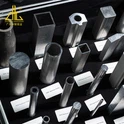
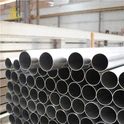
China's aluminium extrusion market has been experiencing significant growth in recent years, with an increasing demand for light, durable and sustainable materials in various industries. According to recent news, the market is expected to further expand due to the country's ambitious infrastructure development plans and the growing need for energy-saving and environmental protection measures.
China is the world's largest producer and consumer of aluminium, with the industry accounting for more than 50% of the country's total aluminium consumption. The aluminium extrusion market has been growing at an impressive rate of 10-12% annually over the past decade, driven by the increasing adoption of aluminium products by various industries such as construction, transportation, electronics, and packaging.

The construction industry is the largest consumer of aluminium extrusion products in China, accounting for more than 60% of the total demand. The demand for high-quality aluminium profiles has been increasing due to the country's rapid urbanization and infrastructure development plans. The transportation industry is also a major consumer of aluminium extrusion products, with demand for lightweight and fuel-efficient materials on the rise.
China's aluminium extrusion industry has been benefiting from the government's policies on energy conservation and environmental protection. With the increasing emphasis on energy efficiency and reducing emissions, the demand for energy-saving and environmentally friendly aluminium products has been growing. The industry has been investing heavily in research and development, to produce high-quality, innovative, and sustainable products that meet the market needs.
Despite the promising growth prospects, the industry also faces challenges such as overcapacity, rising production costs, and competition from other materials. The industry needs to constantly innovate and improve productivity while maintaining quality, to remain competitive.
Overall, China's aluminium extrusion market is experiencing dynamic growth, driven by the increasing demand for lightweight, durable, and sustainable materials in various industries. The industry is poised to benefit from the country's ambitious infrastructure development plans and the growing emphasis on energy-saving and environmental protection measures. The industry needs to continue investing in research and development while improving productivity and maintaining quality, to remain competitive and sustain its growth momentum.