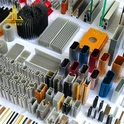
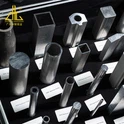
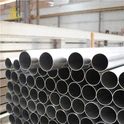
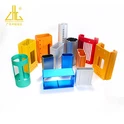
Aluminium cladding has become a staple in modern architecture, celebrated for its durability, versatility, and sleek aesthetic. However, like any building material, it is not without considerations that architects, contractors, and property owners should address. At Zhonglian Aluminum-with over 33 years of expertise in manufacturing high-quality aluminum profiles and a 100,000-square-meter production hub-we believe in transparent, solution-focused discussions. Below, we break down the common perceived disadvantages of aluminium cladding and explain how advanced manufacturing techniques (like those we employ) can mitigate these challenges, ensuring you get the most value from your investment.
Higher Initial Investment Compared to Basic Cladding Materials
One of the most frequently cited drawbacks of aluminium cladding is its higher upfront cost relative to budget-friendly alternatives like vinyl, fiber cement, or certain types of wood. This price difference stems from the precision engineering, corrosion-resistant properties, and premium finishes required to produce high-performance aluminium cladding systems.
Our Solution: While the initial cost may be higher, Zhonglian Aluminum's vertically integrated production model eliminates middleman markups, making premium aluminium cladding more accessible. Our 25 advanced extrusion lines and 50,000-ton annual output enable large-scale, efficient manufacturing-reducing per-unit costs without compromising quality. Moreover, aluminium cladding's exceptional longevity (30+ years) and minimal maintenance needs mean it delivers far lower total cost of ownership over time. Unlike materials that require frequent replacement or refinishing, our aluminium cladding retains its performance and appearance for decades, offsetting the initial investment.
Susceptibility to Dents (Without Proper Alloy Selection)
Aluminium is naturally lighter than steel, leading some to worry about its resistance to dents from impacts-such as hailstones, accidental collisions, or debris. This concern, however, is largely tied to low-grade aluminium alloys with thin profiles, not the high-quality materials used in professional cladding systems.
Our Solution: We exclusively use high-strength 6000-series alloys (primarily 6063-T5 and 6061-T6) for our cladding profiles. These alloys are engineered for optimal strength-to-weight ratios, offering impressive impact resistance while maintaining aluminium's lightweight advantage. Our extrusion process ensures consistent wall thickness and structural reinforcement in critical areas, such as edge trims and panel cores. Independent testing (certified by SGS and TUV) confirms our aluminium cladding can withstand hailstones up to 2 inches in diameter and moderate impact forces without permanent damage. For high-risk areas (e.g., storm-prone regions), we also offer custom-thickened profiles tailored to enhance durability.
Thermal Expansion: A Challenge Without Proper Design
Like all metals, aluminium expands and contracts with temperature fluctuations. In extreme climates-where temperatures swing from sub-zero winters to scorching summers-unaddressed thermal movement can lead to cladding warping, gaps, or even structural stress if the system lacks proper expansion joints.
Our Solution: At Zhonglian Aluminum, we integrate thermal management into every cladding design. Our engineering team uses finite element analysis (FEA) to calculate expected thermal expansion rates for specific climates, then designs cladding systems with purpose-built expansion joints, sliding fasteners, and flexible sealing solutions. These features accommodate movement without compromising the cladding's integrity or weather resistance. For example, our interlocking panel systems include 3–5mm expansion gaps (adjusted for local climate) and heat-resistant gaskets that maintain a tight seal year-round. This attention to detail-backed by ISO 9001 quality control-ensures our cladding performs flawlessly even in environments with temperature variations exceeding 60°C (140°F).
Potential for Poor Aesthetic Consistency (With Low-Quality Finishes)
Inferior aluminium cladding often suffers from inconsistent color matching, fading, or chalking over time-especially when exposed to intense UV radiation. This not only detracts from a building's curb appeal but also requires costly refinishing to restore its appearance.
Our Solution: We use advanced, multi-step surface treatment processes to guarantee long-lasting aesthetic consistency. Our powder coating lines (certified RoHS-compliant) apply a 60–80 micron thick layer of UV-stabilized pigment, cured at precisely controlled temperatures (180–200°C) for maximum adhesion. This finish resists fading, chalking, and discoloration for up to 20 years, even in direct sunlight. We also offer anodizing as a premium option-an electrochemical process that creates a natural oxide layer on the aluminium surface, enhancing both durability and color depth. For large-scale projects, we maintain strict batch control to ensure every cladding panel matches perfectly, eliminating unsightly color variations.
Acoustic Insulation Limitations (Easily Addressed with Composites)
Basic aluminium cladding has lower inherent acoustic insulation than materials like brick or stone, which can be a concern for buildings in noisy areas (e.g., near highways or airports). Without additional soundproofing, it may allow more external noise to penetrate interior spaces.
Our Solution: We offer composite aluminium cladding systems designed to enhance acoustic performance. These systems sandwich a sound-dampening core (e.g., mineral wool, foam, or plywood) between two aluminium panels, creating a barrier that reduces noise transmission by 20–30 decibels-comparable to traditional brick cladding. Our one-stop manufacturing process allows us to pre-assemble these composite panels in-house, ensuring precise core alignment and consistent soundproofing performance. For clients with specific acoustic requirements (e.g., residential buildings or offices), we can also customize the core material and thickness to meet local noise regulations.
Why Zhonglian Aluminum Cladding Overcomes Traditional Disadvantages
The perceived drawbacks of aluminium cladding often stem from outdated materials, shoddy manufacturing, or one-size-fits-all designs-not the material itself. At Zhonglian Aluminum, we address these challenges through:
✅ Material Expertise: 33 years of working with aluminium alloys means we select the right material for every application, balancing strength, weight, and cost.
✅ Custom Engineering: We don't just supply cladding-we design systems tailored to your project's climate, location, and performance needs.
✅ Quality Certifications: Our cladding meets CE, TUV, KS, and ISO standards, ensuring compliance with global building codes and performance benchmarks.
✅ One-Stop Service: From custom mold development (for unique profiles) to CNC precision cutting and surface treatment, we handle every step in-house, guaranteeing quality control and timely delivery.
The Verdict: Aluminium Cladding-A Smart Choice with the Right Partner
While aluminium cladding has certain considerations, these are not insurmountable disadvantages-they are challenges that can be solved with expert manufacturing and design. With Zhonglian Aluminum as your partner, you get aluminium cladding that delivers durability, aesthetic appeal, and long-term value, without the drawbacks associated with low-quality products.
Whether you're designing a commercial high-rise, a residential complex, or a public building, our team is ready to create a cladding solution that meets your needs. From initial concept to final delivery, we combine technical expertise with a customer-centric approach to ensure your project's success.
Ready to explore aluminium cladding that overcomes traditional limitations? Contact Zhonglian Aluminum today to discuss your project requirements and receive a customized, solution-driven quote-backed by 33 years of aluminium extrusion excellence.