Aluminum is versatile and widely used in various industries due to its lightweight, corrosion resistance, and excellent strength-to-weight ratio. Among the different types of aluminum, the 7000 series is known for its high strength and excellent machinability, making it a popular choice for structural applications. Within the 7000 series, 7003 and 7005 aluminum are two commonly used alloys, each with its unique properties and applications.

Advantages of Aluminum Profile
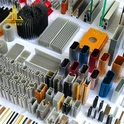
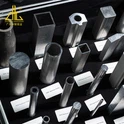
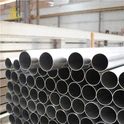
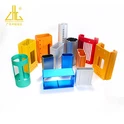
Before delving into the specifics of 7003 and 7005 aluminum, it's important to understand the advantages of using aluminum profiles in general. Aluminum extrusion, the process of shaping aluminum by forcing it through a die, allows for the creating of complex cross-sectional profiles with excellent dimensional accuracy. This versatility makes aluminum profiles suitable for a wide range of applications, including construction, automotive, aerospace, and consumer goods.
One of the key advantages of aluminum profiles is their high strength-to-weight ratio. This means that aluminum profiles can provide the necessary structural support while keeping the overall weight of the structure low. Additionally, aluminum profiles offer excellent corrosion resistance, making them suitable for outdoor and marine applications. Furthermore, aluminum is highly recyclable, making it an environmentally friendly choice for sustainable manufacturing processes.
What is 7000 Series Aluminium?
The 7000 series aluminum alloys are known for their high strength and excellent machinability, making them ideal for structural applications where strength and durability are paramount. These alloys are typically composed of aluminum, zinc, and magnesium, with additional elements such as copper and chromium to enhance specific properties. The 7000 series is heat-treatable, allowing for further strengthening through precipitation hardening.
7000 Series Aluminum Applications
The high strength and lightweight nature of 7000 series aluminum make it well-suited for a variety of applications. In the aerospace industry, 7000 series aluminum is used in the construction of aircraft structures, where its strength and fatigue resistance are critical. Additionally, the automotive industry utilizes 7000 series aluminum in the production of lightweight components to improve fuel efficiency and performance. Other applications include bicycle frames, sporting goods, and high-performance equipment where a combination of strength and lightness is required.


What is the Difference Between 7003 and 7005 Aluminum?
While both 7003 and 7005 aluminum belong to the 7000 series, they exhibit distinct differences in their composition and properties. 7003 aluminum is a relatively new alloy that offers high strength and excellent corrosion resistance. It is often used in structural applications where a combination of strength and formability is required. On the other hand, 7005 aluminum is known for its superior weldability and is commonly used in the construction of welded structures.
The primary difference between 7003 and 7005 aluminum lies in their composition. 7003 aluminum contains a higher percentage of zinc compared to 7005 aluminum, which results in improved strength and stress corrosion cracking resistance. Conversely, 7005 aluminum contains a higher percentage of silicon, which enhances its weldability and makes it well-suited for welding applications.

In terms of mechanical properties, both alloys exhibit high strength, with 7003 aluminum offering slightly higher tensile strength compared to 7005 aluminum. However, 7005 aluminum demonstrates better elongation and formability, making it a preferred choice for applications that require extensive forming and welding processes.
In summary, while both 7003 and 7005 aluminum alloys belong to the 7000 series and offer high strength, their distinct compositions and properties make them suitable for different applications. 7003 aluminum excels in structural applications where strength and corrosion resistance are paramount, while 7005 aluminum is preferred for its superior weldability and formability.

In conclusion, the 7000 series aluminum alloys, including 7003 and 7005, offer a combination of high strength, lightweight, and excellent machinability, making them valuable materials for a wide range of applications. Whether used in aerospace, automotive, or consumer goods, these alloys continue to play a crucial role in advancing technology and innovation. Understanding the differences between specific aluminum alloys is essential for selecting the most suitable material for a given application, ensuring optimal performance and durability.