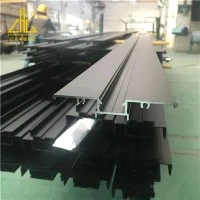
Hey there! As a supplier of CNC aluminium products, I've seen firsthand how cutting force can have a huge impact on the CNC aluminium machining process. In this blog, I'm gonna break down what cutting force is, how it affects CNC aluminium machining, and why it matters for us suppliers and our customers.
Let's start with the basics. Cutting force is the force applied by the cutting tool to remove material from the workpiece during machining. In CNC aluminium machining, this force is crucial because it directly affects the quality of the finished product, the tool life, and the overall efficiency of the machining process.
How Cutting Force Affects Surface Finish
One of the most noticeable effects of cutting force on CNC aluminium machining is its impact on the surface finish of the workpiece. When the cutting force is too high, it can cause excessive vibrations and chatter, which lead to a rough surface finish. This is a big no - no, especially when we're aiming for high - precision parts.
For example, if you're making a custom aluminium part for a high - end consumer product, a rough surface finish can make the part look unprofessional and may even affect its functionality. On the other hand, when the cutting force is properly controlled, we can achieve a smooth and precise surface finish. This is where our expertise as a CNC aluminium supplier comes in. We use advanced machining techniques and state - of - the - art equipment to ensure that the cutting force is optimized for the best surface finish.
Tool Wear and Cutting Force
Another important aspect is tool wear. High cutting forces can cause rapid wear and tear on the cutting tools. When the cutting force is too large, the tool has to work harder to remove the material, which leads to increased friction and heat. This heat can cause the tool to lose its sharpness and eventually break.
As a supplier, we know that tool wear is a significant cost factor. Replacing worn - out tools frequently can eat into our profit margins and also cause delays in production. That's why we pay close attention to the cutting force. By adjusting the cutting parameters such as feed rate, cutting speed, and depth of cut, we can reduce the cutting force and extend the tool life. This not only saves us money but also ensures that we can deliver high - quality products to our customers in a timely manner.
Machining Efficiency and Cutting Force
Cutting force also plays a major role in machining efficiency. If the cutting force is too low, the machining process will be slow, and it will take longer to produce the parts. On the contrary, if the cutting force is too high, it can cause the machine to work harder than necessary, leading to increased energy consumption and potential damage to the machine.
We strive to find the sweet spot where the cutting force is just right. By optimizing the cutting force, we can increase the machining speed without sacrificing the quality of the parts. This means we can produce more parts in less time, which is a win - win for both us and our customers.
Controlling Cutting Force in CNC Aluminium Machining
So, how do we control the cutting force in CNC aluminium machining? Well, it all comes down to the cutting parameters. As I mentioned earlier, feed rate, cutting speed, and depth of cut are the key factors that we can adjust.
The feed rate is the speed at which the cutting tool moves along the workpiece. A higher feed rate generally increases the cutting force, while a lower feed rate reduces it. Cutting speed is the speed at which the cutting tool rotates. Increasing the cutting speed can also increase the cutting force, but it can also improve the surface finish if done correctly. The depth of cut is the thickness of the material removed in each pass. A larger depth of cut usually results in a higher cutting force.


We use computer - aided manufacturing (CAM) software to precisely control these parameters. This software allows us to simulate the machining process and optimize the cutting parameters before we start machining. By doing so, we can ensure that the cutting force is within the optimal range for the specific aluminium alloy and the desired part geometry.
Real - World Examples
Let me give you a real - world example of how cutting force affects our business. We once had a customer who needed a large quantity of aluminum machining round tube processing by aluminum profile cad vs aluminium alloy Customized Anodized. The initial cutting parameters we used resulted in a high cutting force, which led to rough surface finishes and rapid tool wear.
We quickly realized that we needed to adjust the cutting parameters. By reducing the feed rate and increasing the cutting speed slightly, we were able to reduce the cutting force. This not only improved the surface finish of the tubes but also extended the tool life. As a result, we were able to meet the customer's quality requirements and deliver the parts on time.
The Importance of Cutting Force for Our Customers
For our customers, understanding the effect of cutting force on CNC aluminium machining is crucial. When they know how cutting force can impact the quality, cost, and delivery time of their parts, they can make more informed decisions.
For instance, if a customer needs a part with a very smooth surface finish, they should be aware that controlling the cutting force is essential. They can work with us to optimize the cutting parameters to achieve the desired result. On the other hand, if a customer is on a tight budget and wants to reduce costs, we can adjust the cutting force to minimize tool wear and energy consumption.
Conclusion
In conclusion, cutting force is a critical factor in CNC aluminium machining. It affects the surface finish, tool wear, and machining efficiency. As a CNC aluminium supplier, we have the knowledge and experience to control the cutting force effectively. We use advanced techniques and equipment to optimize the cutting parameters and ensure that we can deliver high - quality parts to our customers.
If you're in the market for Custom CNC Machined Aluminum Extrusion Profiles or CNC Machining Aluminum Profiles, we'd love to work with you. Whether you have a specific design in mind or need help with optimizing your parts, we're here to assist. Don't hesitate to reach out to us for a consultation and let's start a great partnership!
References
- Smith, J. (2018). Fundamentals of CNC Machining. Publisher X.
- Johnson, A. (2020). Advanced Aluminium Machining Techniques. Publisher Y.