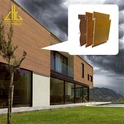
Aluminum alloy profile introduction
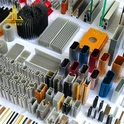
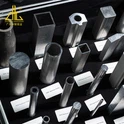
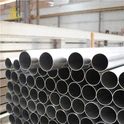
Aluminum alloy products made of aluminum and other alloying elements. It is usually processed into cast products, forged products, and foils, plates, strips, tubes, rods, and profiles, and then made by processes such as cold bending, sawing, drilling, assembly, and coloring. The main metal element is aluminum, adding some alloying elements to improve the performance of aluminum. Commonly used aluminum electrophoresis aluminum, alumina, rare earth foam aluminum and so on.
Aluminum alloy profile classification
According to use can be divided into the following five categories:
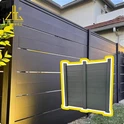
1. Aluminum profiles (two types of doors and windows and curtain walls).
2. Radiator aluminum profiles.
3. General industrial aluminum profiles: mainly used for industrial production and manufacturing, such as automated machinery and equipment, the skeleton of the enclosure and various companies to customize molds according to their own mechanical equipment requirements, such as assembly line conveyors, hoists, dispensers, Testing equipment, shelves, etc., electronic machinery industry and clean rooms are used mostly.
4. Rail vehicle structure Aluminum alloy profile: It is mainly used for the manufacture of rail vehicle body.
5, mounted aluminum profiles, made of aluminum alloy frame, mounted a variety of exhibitions, decorative painting.
According to the composition can be divided into:
1024, 2011, 6063, 6061, 6082, 7075 and other alloy grade aluminum profiles, of which the 6 series is the most common. The difference between different grades is that the ratio of various metal components is not the same, in addition to commonly used aluminum doors and windows such as 60 series In addition to the aluminum profiles of the 70 series, 80 series, 90 series, and curtain wall series, the industrial aluminum profiles have no clear model distinction. Most of the production plants are processed according to the customer's actual drawings.
Aluminum alloy specifications
There are 40, 55, 60, 80, 90, 100mm and other series specifications, size series is too la
Aluminum alloy profile advantages
First, strong plasticity
Metal materials, light weight, high strength, can be extruded into a variety of complex cross-section profiles to meet a variety of new cross-section requirements.
Second, good sealing performance
Strong air tightness, watertightness, heat insulation and sound insulation.
Third, long service life
High strength, corrosion resistance, small deformation, strong fire resistance, long service life.
Fourth, environmental protection and energy conservation
Heat conduction is minimized, and heat insulation and sound insulation are effective.