Electrophoretic painting (E-coating) is a widely used method for coating aluminum alloy profiles. This process involves the deposition of paint onto the aluminum alloy profile surface through an electric field. The aluminum alloy profile is dipped into a tank filled with paint and placed between two electrodes. The anode is connected to the paint tank and the cathode is connected to the aluminum alloy profile. When a direct current is applied to the anode, the paint particles migrate toward the aluminum alloy profile and are deposited onto its surface. This creates a uniform coating of paint that is highly resistant to corrosion and abrasion.
The success of electrophoretic painting largely depends on the quality of the paint used. It must have good electrical conductivity, adhesion, and resistance to UV light and weathering. Generally, cathodic electrophoretic painting is preferred for aluminum alloy profiles as it is more effective in protecting them from corrosion.

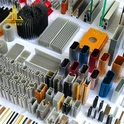
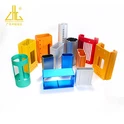
Aluminum alloy profiles are commonly used in the construction of buildings, automobiles, and other industrial applications. These profiles require coatings that are both durable and aesthetically pleasing. The use of electrophoretic painting for aluminum alloy profiles has several benefits. Firstly, it provides a uniform coating that is free from defects such as craters, pinholes, and orange peel. Secondly, it is a highly efficient process that reduces waste and minimizes environmental pollution. Thirdly, it allows for the use of a wide range of paint colors and finishes, thus enhancing the product's aesthetic appeal.
In addition to the quality of the paint, several factors affect the success of electrophoretic painting for aluminum alloy profiles. These include the temperature and viscosity of the paint, the voltage and current used, and the immersion time. The temperature and viscosity of the paint must be carefully controlled to ensure that it adheres well to the surface of the aluminum alloy profile and spreads evenly. The voltage and current used must be carefully monitored to prevent over-deposition or under-deposition of the paint. The immersion time must also be carefully controlled to ensure that the desired coating thickness and uniformity are achieved.
In conclusion, electrophoretic painting is an effective method for coating aluminum alloy profiles. It provides a uniform and durable coating that is highly resistant to corrosion and abrasion. The success of this process depends on several factors, including the quality of the paint used and the control of various parameters such as temperature, viscosity, voltage, and immersion time.