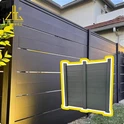
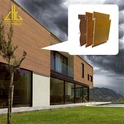
In the world of aluminum manufacturing, the molding cycle is a critical aspect that determines the efficiency and effectiveness of production. Zhonglian Aluminum, with over 30 years of experience in aluminum profile production, offers a one-stop solution for aluminum processing, including ODM and OEM services. This article aims to provide a detailed understanding of the aluminum profile molding cycle, its phases, and factors influencing the timeline.

What is the Aluminum Profile Molding Cycle?
The aluminum profile molding cycle refers to the entire process involved in creating aluminum profiles from raw materials to finished products. This cycle includes several key stages:
1. Design and Prototyping
The first step involves designing the aluminum profile based on specific requirements. This phase may include CAD modeling and prototyping to ensure the design meets functional and aesthetic needs.
2. Mold Fabrication
Once the design is finalized, the next step is to fabricate the mold. This process can take anywhere from a few days to several weeks, depending on the complexity of the design and the materials used.
3. Extrusion Process
After the mold is ready, the aluminum is extruded through the mold to create the desired profile. This stage is relatively quick, often completed within hours, but it requires precise control of temperature and pressure.
4. Cooling and Cutting
The extruded aluminum profiles need to cool down before being cut to the required lengths. This cooling phase is crucial to ensure the integrity of the profiles and can take several minutes.
5. Finishing Processes
Finally, the profiles undergo various finishing processes such as anodizing, painting, or powder coating. These processes enhance the appearance and durability of the aluminum profiles and can add additional time to the overall cycle.
Factors Influencing the Molding Cycle Duration
Several factors can impact the duration of the aluminum profile molding cycle:
1. Complexity of Design: More intricate designs require more time for both mold fabrication and extrusion.
2. Material Selection: Different aluminum alloys may have varying processing times and requirements.
3. Production Volume: Larger orders may benefit from economies of scale, potentially reducing the cycle time per unit.
4. Quality Control: Rigorous quality checks can extend the cycle but are essential for ensuring product reliability.

Conclusion
Understanding the aluminum profile molding cycle is essential for manufacturers and clients alike. At Zhonglian Aluminum, we leverage our extensive experience to optimize each phase of the molding cycle, ensuring timely delivery without compromising quality. Whether you require custom designs or standard profiles, our one-stop aluminum processing services are designed to meet your needs efficiently.
For more information on our services or to discuss your specific requirements, please contact us today!