What is the comprehensive knowledge of aluminum alloy profiles
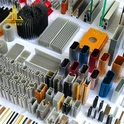
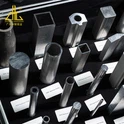
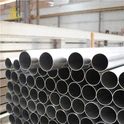
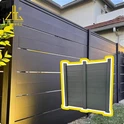
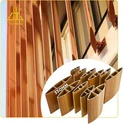
Aluminium profiles are aluminum materials that are produced by hot-melting and extruding aluminum rods to obtain different cross-sectional shapes. The production process of aluminum profiles mainly includes three processes of casting, extrusion and coloring (coloring mainly includes: oxidation, electrophoretic coating, fluorocarbon spraying, powder spraying, etc.).
What is the comprehensive knowledge of alloy aluminum profiles
Aluminum profiles are classified according to their use:
1. Industrial aluminum profiles: mainly used for aircraft, trains, industrial radiators, automobiles, and electrical appliances.
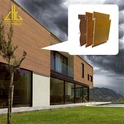
2. Aluminum alloy building profiles: Mainly used for building aluminum doors and windows, curtain walls, indoor and outdoor decoration and architectural structures.
Aluminum profiles are classified according to surface treatment:
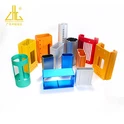
1. Anodized Alumina: The surface of the profile is anodized, electrolytically colored or organically colored.
2. Electrophoretic coating of aluminum: The surface of the profile is anodized and electrophoretically painted.
3. Powder-sprayed aluminum: The surface of the profile is coated with a thermosetting organic polymer powder.
4. Fluorocarbon paint sprayed aluminum: The surface of the profile is coated with polyvinylidene fluoride paint. At present, the commonly used heat-insulating material is an aluminum alloy material that adopts a strip or cast compound.
Key indicators:
1. Appearance quality: The surface of the anodized profile does not allow electric burns, oxide films fall off, etc. The effect of the use of defects; electrophoresis, powder, fluorocarbon paint after the paint film should be uniform, clean, smooth, does not allow wrinkles, cracks Defects such as air bubbles, flow marks, inclusions, and lacquer fallout are affected, but partial film-free is allowed within 80 mm of the end of the profile. The appearance quality of aluminum alloy building profiles affects the effect of building decoration. Therefore, the surface of the factory profiles must be covered to avoid surface scratches, bumps, and corrosion during transportation and stacking. Some aluminum alloy building profiles on the market have similar water-grain-like and moldy spots, reflecting defects in the production process.
2. Wall thickness: The wall thickness of the profile is one of the main factors affecting the strength of the workpiece. The main profile is the part subjected to the force in the project. For example, the nominal wall thickness of the outer window main profile shall not be less than 1.4mm.
3. Film thickness: Extrusion of aluminum alloy profiles, the surface corrosion resistance is not strong, must be surface treatment to increase the aluminum corrosion resistance, wear resistance and appearance. Anodized aluminum film thickness class is divided into AA10, AA15, AA20, AA25, electrophoretic coating aluminum film thickness level is divided into A. B. S, the smaller partial thickness of the coating on the powder coating aluminum decorative surface is ≥40um, the thickness of the lacquer sprayed on the fluorocarbon paint-spraying aluminum surface is different due to different coating types. The average film thickness of the second coating is ≥30um, three. Average coating thickness ≥ 40um, four coating average thickness ≥ 65um.
4. Chemical composition and mechanical properties: The technical parameters of the chemical composition and mechanical properties of aluminum alloy sections with different grades and supply status are different, and customers should check them against the standards (contracts) one by one.
5. Color and color difference: There are differences in color and chromatic aberration between alloys of different brands and delivery states. It is recommended to choose the winning combination number and availability to fully consider the influence of color and color inconsistencies on the building structure.
6. Resistance to salt spray corrosion, abrasive, weather, mortar, etc.: This is an important technical parameter of aluminum alloy profiles, reflecting the performance of aluminum alloy profiles, affecting the use.