Hey there! I'm an OEM supplier, and today I want to chat about the lean manufacturing principles in OEMs. Lean manufacturing is all about making things better, faster, and cheaper. It's a set of principles and practices that help us eliminate waste, improve quality, and increase efficiency. As an OEM supplier, these principles are super important to me, and I want to share them with you.
What is Lean Manufacturing?
Lean manufacturing originated from the Toyota Production System (TPS). It's a systematic approach to identifying and eliminating waste in the production process. Waste can be anything that doesn't add value to the product, like overproduction, waiting time, unnecessary transportation, and excess inventory. By getting rid of waste, we can make our processes more streamlined and cost - effective.
The Five Lean Manufacturing Principles
1. Value
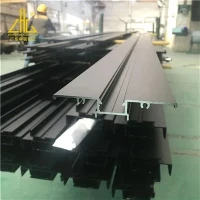
The first principle is to define value from the customer's perspective. What does the customer really want? What features and functions are they willing to pay for? As an OEM supplier, I need to understand my customers' needs and expectations. For example, if I'm supplying Three Acid Oxidation Aluminium U Shaped Channel, I need to know what the end - users are looking for in terms of quality, durability, and design. Maybe they want a specific finish or a certain level of corrosion resistance. By defining value, I can focus my efforts on creating products that meet those needs.
2. Value Stream
Once we've defined value, the next step is to map out the value stream. This means looking at all the steps involved in creating the product, from raw materials to the finished item. We need to identify which steps add value and which ones are waste. For instance, in the production of expanded metal aluminium profiles partition frame for bathroom doors busch polish light top a grade, there might be some unnecessary handling or waiting times between different production stages. By mapping the value stream, we can find these inefficiencies and work on eliminating them.
3. Flow
The third principle is to make the product flow smoothly through the production process. This means reducing bottlenecks and interruptions. We want to create a continuous flow of work, so that products move from one step to the next without delays. In my OEM business, I use techniques like one - piece flow and cellular manufacturing to achieve this. For example, when producing Aluminum Alloy Profile, I try to set up my production line in a way that the profiles can be processed continuously, without having to wait for long periods at each station.
4. Pull
The pull principle is about producing only what the customer needs, when they need it. Instead of pushing products through the production process based on forecasts, we let the customer's demand pull the products through. This helps us avoid overproduction and reduce inventory costs. For example, if a customer orders a specific quantity of my products, I start the production process based on that order. This way, I'm not stuck with a bunch of unsold inventory.
5. Perfection
The final principle is the pursuit of perfection. Lean manufacturing is an ongoing process of continuous improvement. We're always looking for ways to make our processes better, our products higher in quality, and our costs lower. This means constantly analyzing our operations, gathering feedback from customers and employees, and implementing changes. There's always room for improvement, and we should never be satisfied with the status quo.


Benefits of Lean Manufacturing in OEMs
Implementing lean manufacturing principles in my OEM business has brought me a lot of benefits. Firstly, it has improved the quality of my products. By eliminating waste and streamlining the production process, I can focus more on ensuring that each product meets the highest standards. Secondly, it has reduced costs. Less waste means less money spent on materials, labor, and storage. Thirdly, it has increased customer satisfaction. When I can deliver high - quality products on time, my customers are happier, and they're more likely to come back for more.
Challenges in Implementing Lean Manufacturing
Of course, implementing lean manufacturing isn't always easy. There are some challenges that I've faced. One of the biggest challenges is getting everyone on board. It takes time and effort to change the mindset of employees and get them to embrace the lean philosophy. Another challenge is dealing with suppliers. Sometimes, suppliers may not be able to keep up with the changes in our production schedule or quality requirements. And finally, there's the challenge of maintaining the momentum of continuous improvement. It's easy to fall back into old habits, so we need to constantly remind ourselves of the benefits of lean manufacturing.
Conclusion
In conclusion, lean manufacturing principles are essential for OEM suppliers like me. They help us create better products, reduce costs, and improve customer satisfaction. By following the five principles of value, value stream, flow, pull, and perfection, we can make our businesses more competitive in the market.
If you're interested in our products, such as Three Acid Oxidation Aluminium U Shaped Channel, expanded metal aluminium profiles partition frame for bathroom doors busch polish light top a grade, or Aluminum Alloy Profile, and want to discuss a potential purchase, feel free to reach out. We're always happy to have a chat and see how we can meet your needs.
References
- Womack, J. P., & Jones, D. T. (1996). Lean Thinking: Banish Waste and Create Wealth in Your Corporation. Simon & Schuster.
- Liker, J. K. (2004). The Toyota Way: 14 Management Principles from the World's Greatest Manufacturer. McGraw - Hill.